I’m a software developer, and this page is a memorandum of some of the things I’ve done over the years. I like the way pictures speak (especially when animated), so this page is not a résumé, but rather a visual reminder of the projects I loved working on.
Software Developer at Microsoft
I work on open-source software, mainly on Babylon.js. I enjoy tech art and demo work, DevOps, and both native and web technologies.
Software Developer at Animal Logic
Now famous for The LEGO Movie franchise. I had the opportunity to work on the sequel to The LEGO Movie. My role at Animal Logic consisted of developing and improving existing tools for the Performance team—mainly handling animation, cameras, and facial systems. I was credited on The LEGO Ninjago Movie.
Software Developer at Golaem
Golaem provides solutions for crowd simulation. I joined in 2012, when we had fewer than 10 clients and even fewer released productions. Nearly five years later, I’m very proud of what the team achieved: close to 200 clients and dozens of released TV series episodes, movies, and video games.
I had the chance to work on:
- The real-time rendering pipeline
- The n-ped animation system
- Several behaviors, such as UV-Pin
- The paint system
- The internal QA toolchain
- The Cache Layout Tool Many other smaller features
During my last year and a half there, I focused on the Cache Layout Tool. It can be described as “Photoshop for crowd simulations.” It allows you to select, move, delete, modify trajectories, duplicate, and otherwise edit characters in a simulation. I designed the architecture and implemented most of it. I’m particularly proud of this feature, as it later evolved into a standalone product.
Game Developer
I worked as a game developer from 2005 to 2007 at Fresh3D. I had the chance to release my first game on PlayStation 2: Mountain Bike Adrenaline. It didn’t score well on Metacritic, but I enjoyed coding the entire terrain pipeline from scratch. I also started the PC DirectX 9 conversion but left the company before its release.
During those years, I also had the opportunity to work with a PlayStation 3 devkit. We were funded by Sony for an unreleased prototype called Strings Attached. I worked on rendering technologies (AO, shadows, SPU skinning), as well as some audio and Lua scripting.
Personal Projects
Imogen
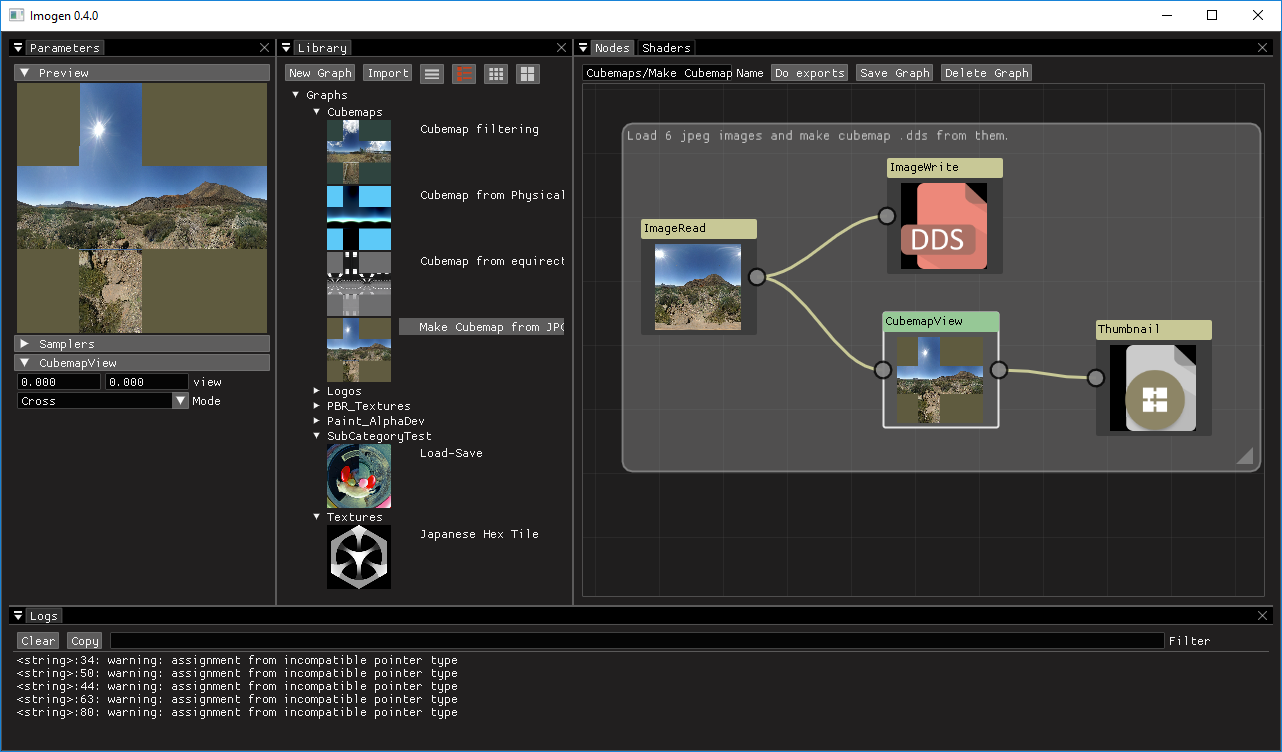
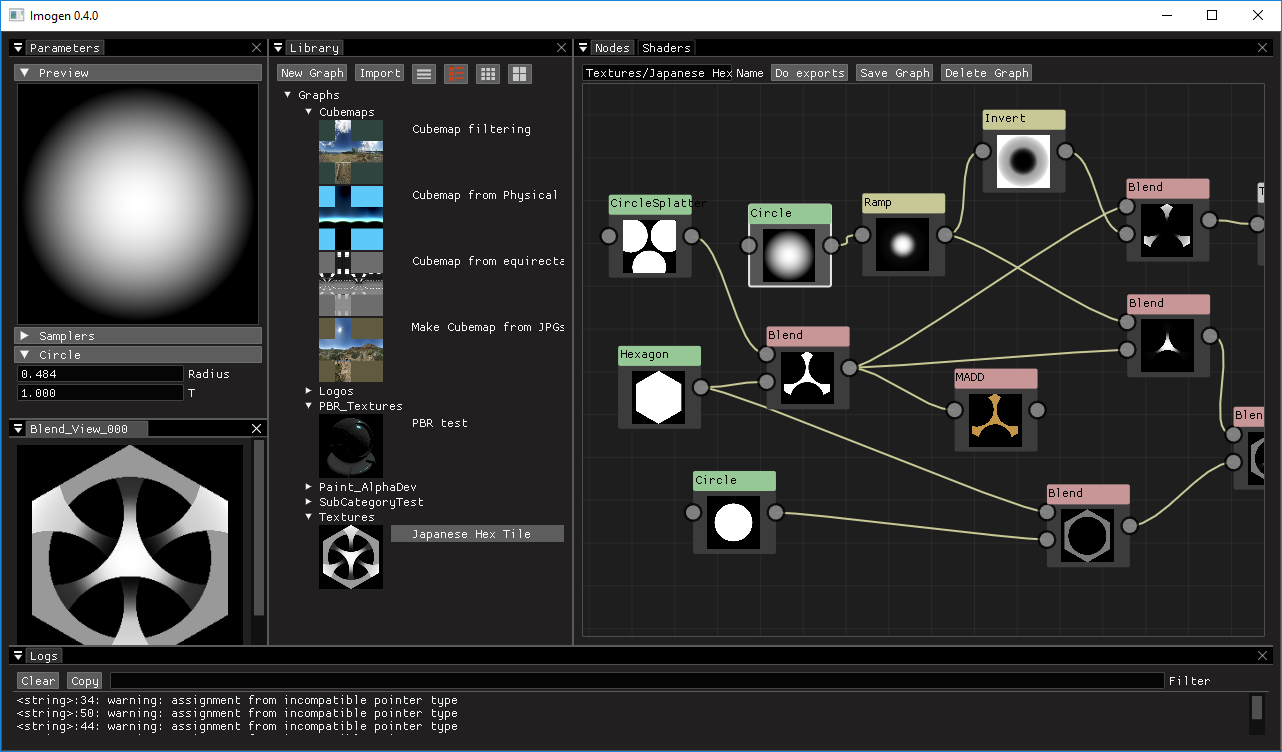
Some time ago, I wanted to experiment with a few shaders and mix them together. After a couple of hours, I ended up with a basic node graph editor and a property editor. I keep adding features—check the GitHub page for more information.
Demomaker
I enjoy the constraints imposed by 64 KB demos, and the challenge of packing a three-minute tech demo—with sound, graphics, and code—into a single 64 KB executable.
Arealights @ Revision 2025
Made with Babylon.js to showcase area lights.
Equiratis Rodentus @ Evoke 2024
My first released demo: a 64 KB production featuring three minutes of animation.
4 KB Procedural Graphics
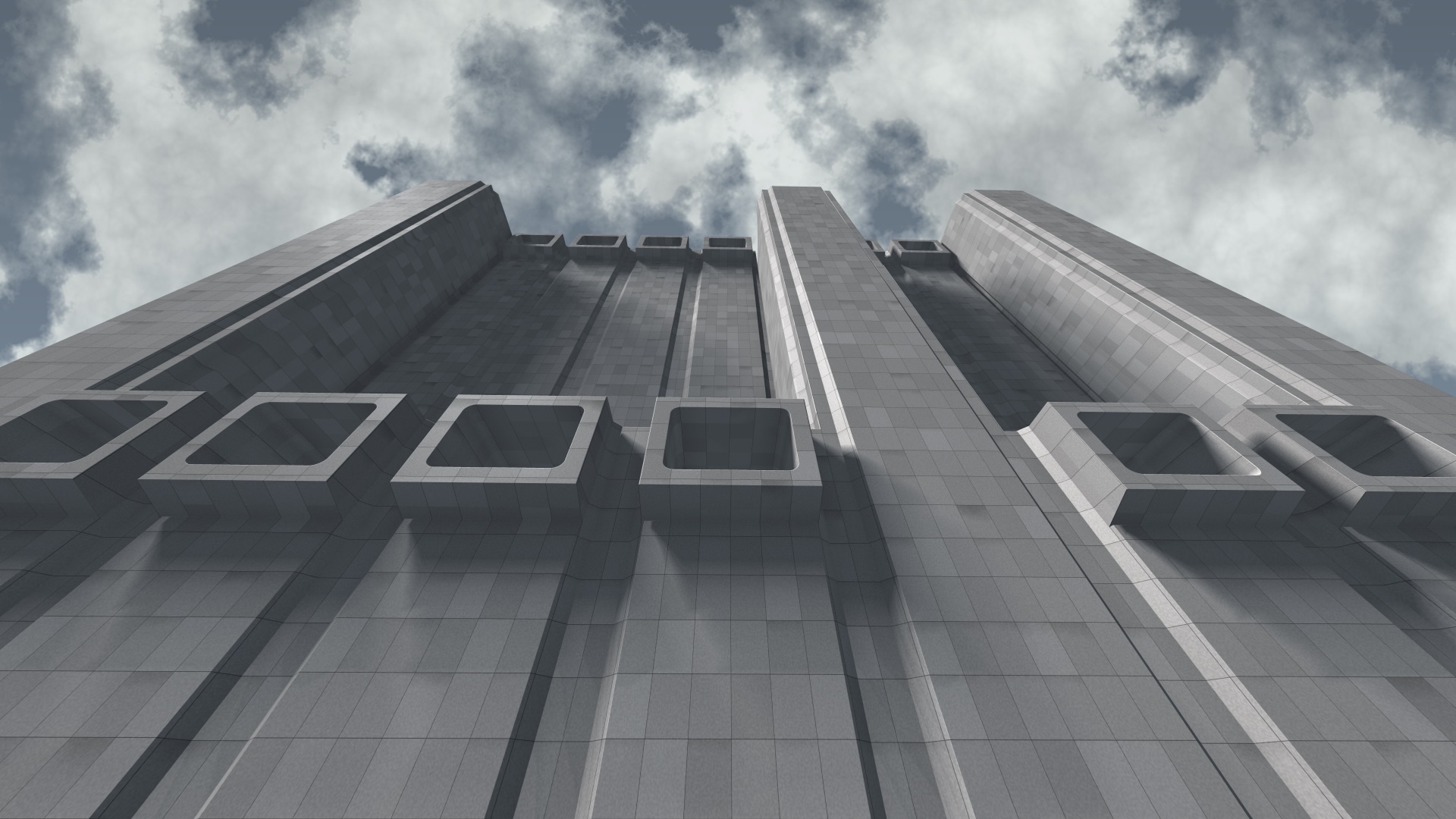
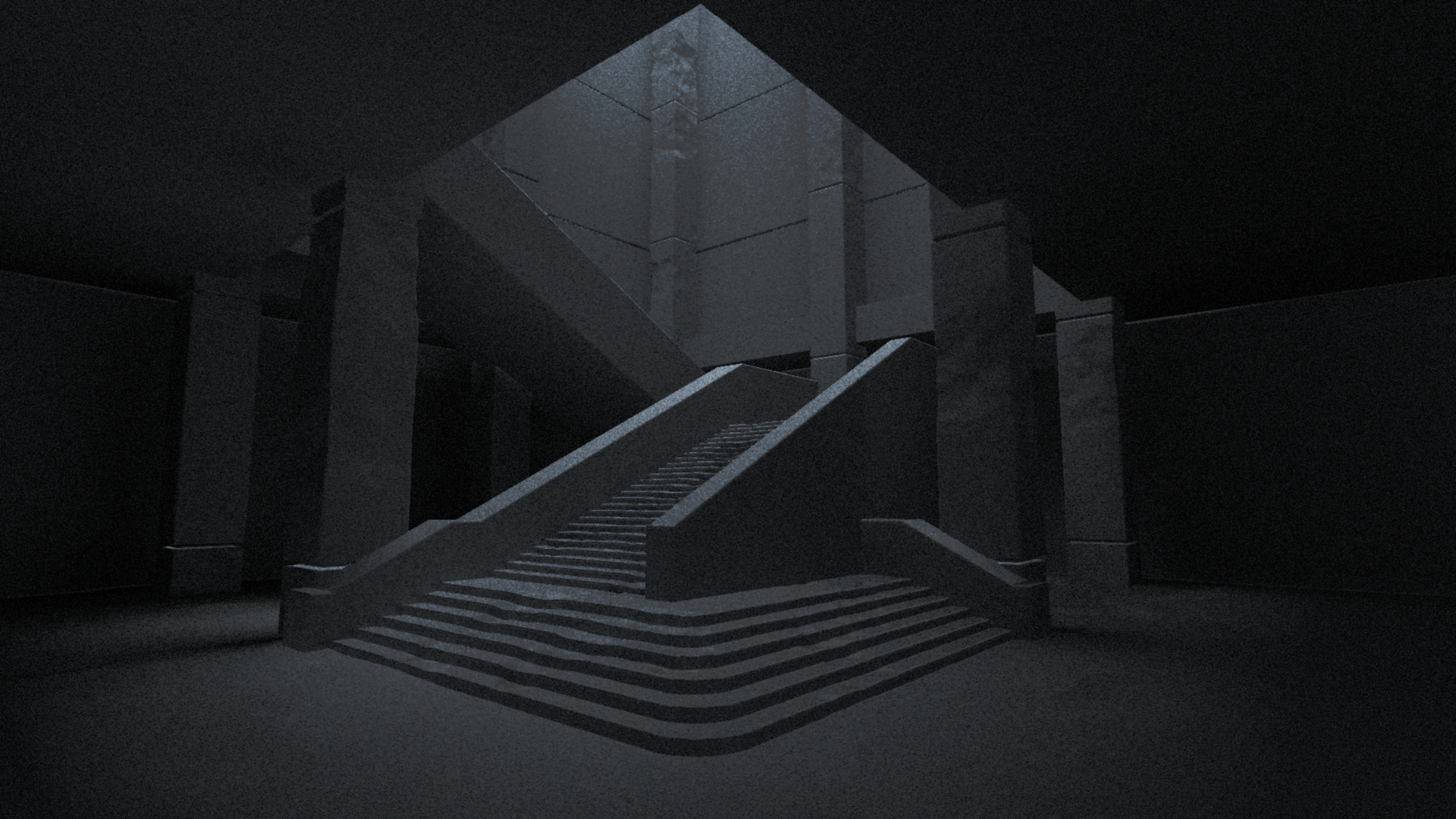
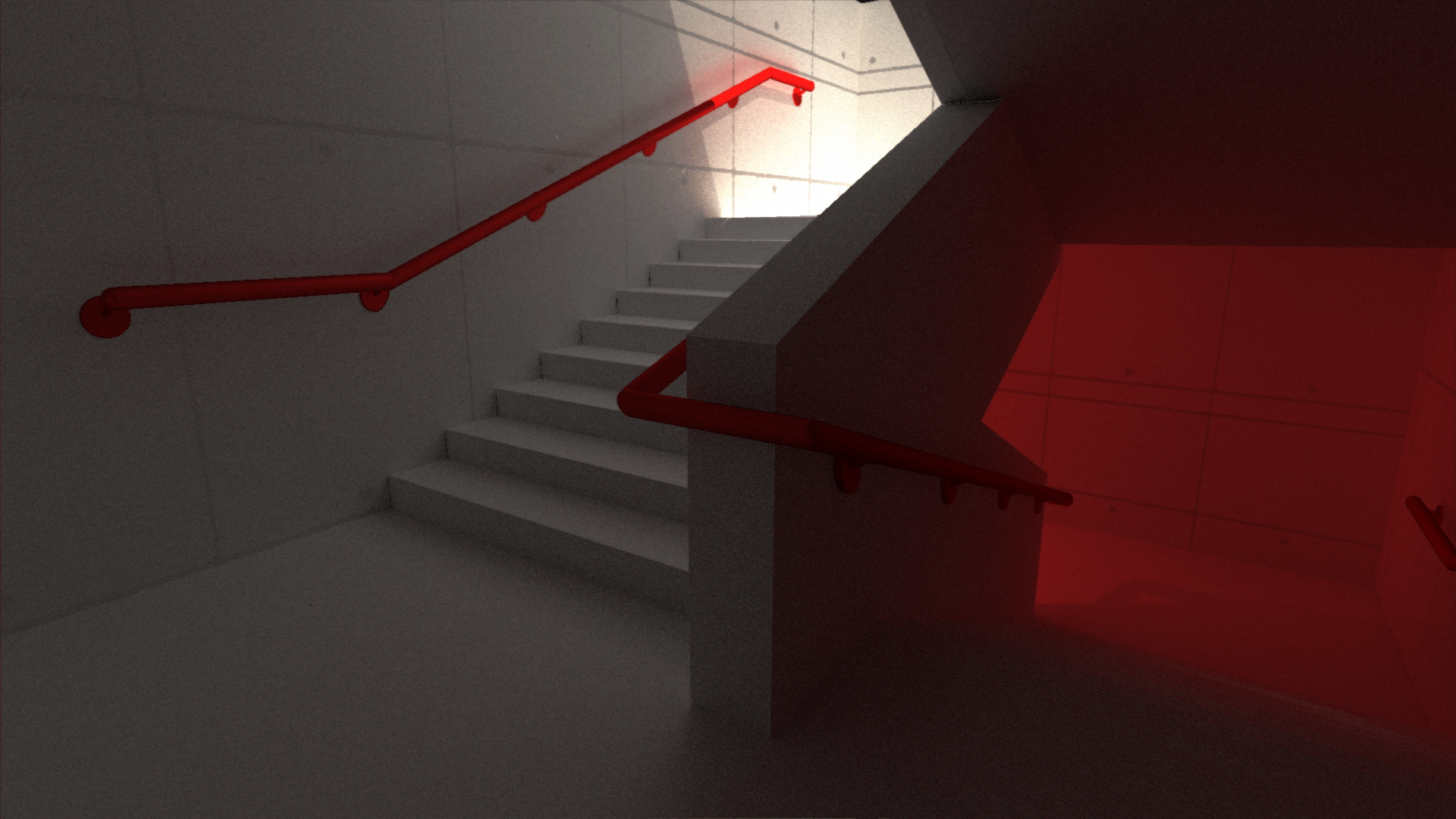
A single 4 KB executable that generates a 1920×1080 image.
33 Thomas Street
Released at Dream210 2025. Pouet
The Descent
Released at Deadline 2025. Pouet
Stairwell
Released at Evoke 2025. Pouet
.the rush//
An indie game started as a hobby in 2007 and later greenlit on Steam. It’s a futuristic anti-gravity racing game featuring 32 procedurally generated tracks. I spent countless hours building the engine, procedural content, and gameplay. The game was presented for two years at Stunfest in Rennes. I did most of the code, design, and graphics, with help from a few friends. Steam page
SuperFluid Shooter
A small game experiment featuring an SPH fluid solver, heavily inspired by PixelJunk Shooter by Q-Games. I became fascinated with the technology presented by Jaymin Kessler at GDC 2010 and decided to implement it myself.
ImGuizmo
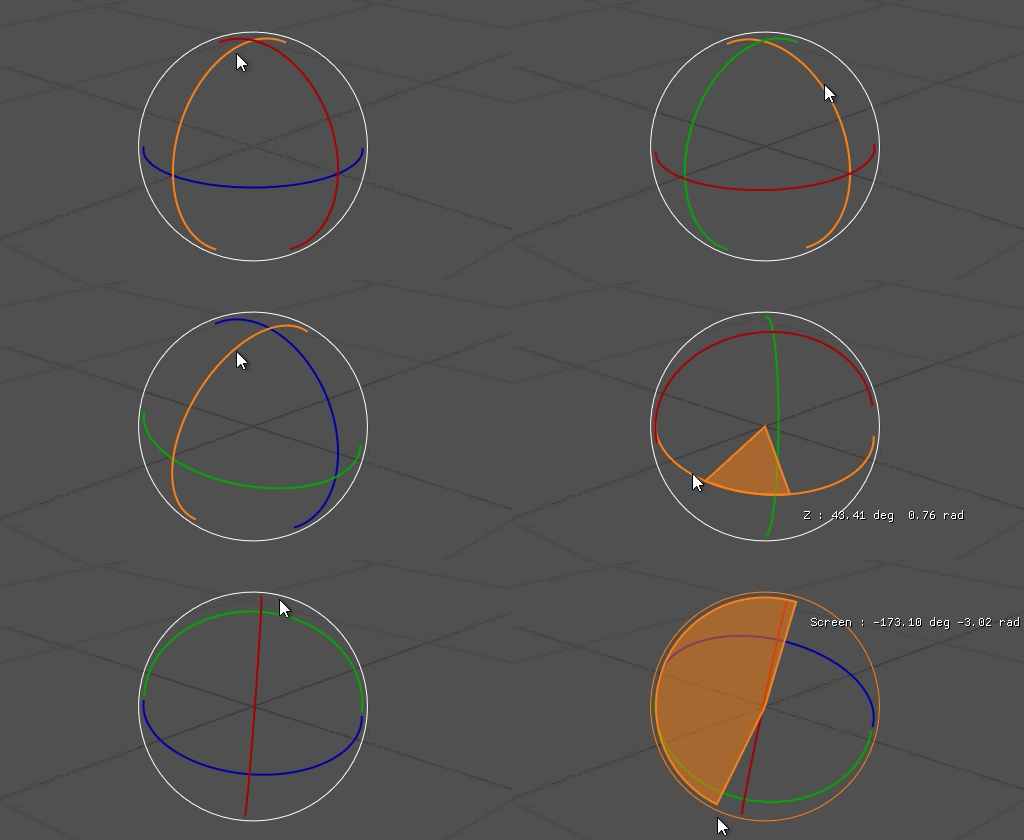
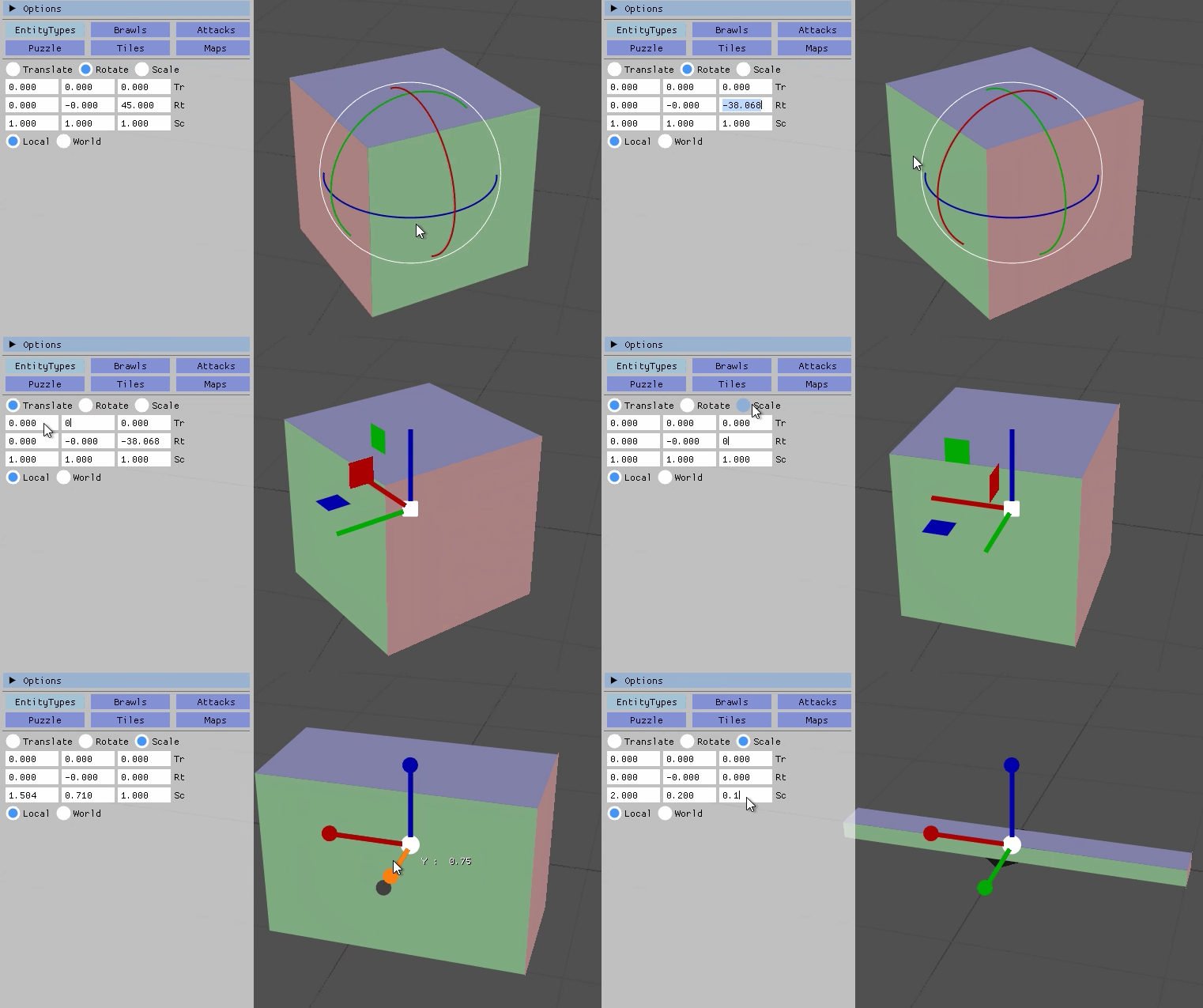
ImGuizmo is a small (.h and .cpp) library built on top of Dear ImGui that allows manipulation (currently rotation and translation) of 4×4 float matrices. It has no external dependencies and is designed with an Immediate Mode (IM) philosophy in mind.
Fork it on GitHub!